
Natural or dressed,
Ready to spread Christmas cheer,
Express it with fir.

K. Pinella’s thoughts
Natural or dressed,
Ready to spread Christmas cheer,
Express it with fir.
Words, Music, and Video by Cabana Boy Q ©2019
C
Christmas is almost here
It’s a time for all to rejoice
But why O Lord is my heart so heavy
For someone we love was taken by choice
For you took him and we ask why the good dies young
Just as we finally begin to understand what we have
Then suddenly it disappears from our sight, our grasp
And we find ourselves alone, miserably sad
Am
But we turn to the sky, we glance upon that shining star
We begin to feel that love and we start to remember
As the birth of Christ is now upon us
We are never alone, we will always be together
F
It’s Christmas now and its forevermore
That darkness in us has brightened again
For the souls we thought we had lost
Have always been here, our loved ones and friends
G
Christmas is not a time for spite or anger
It’s not to question and walk astray
Because Love has never truly left us
For we will all join them someday
So
C
Live your life,
Merry Christmas to all,
And let your soul shine bright
In Memoriam Matthew E. MacGregor
4 of 4 posts on my 7-day stay in Jordan
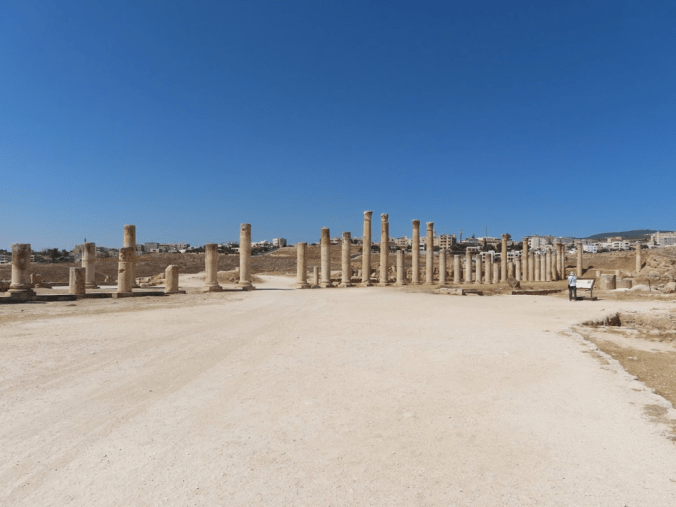
As my stay in Jordan neared the end, I looked forward to yet another important historical treasure – the ancient city of Jerash, considered to be one of the best preserved Greco-Roman provincial towns in the world. Dating back more than 6,500 years ago, Jerash was a thriving city due to its proximity to popular trading routes. The walled city was at its best around AD 130 during Emperor Hadrian’s rulership.
Welcome to Jerash:

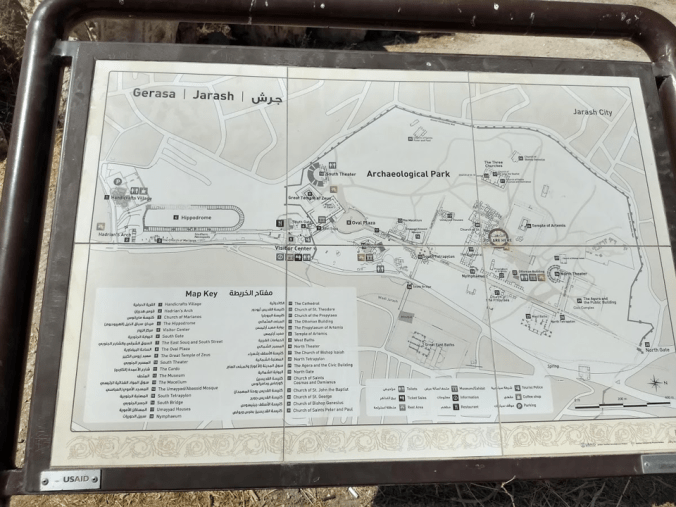
Overview of the ancient ruins:
Colonnaded streets:

Public buildings: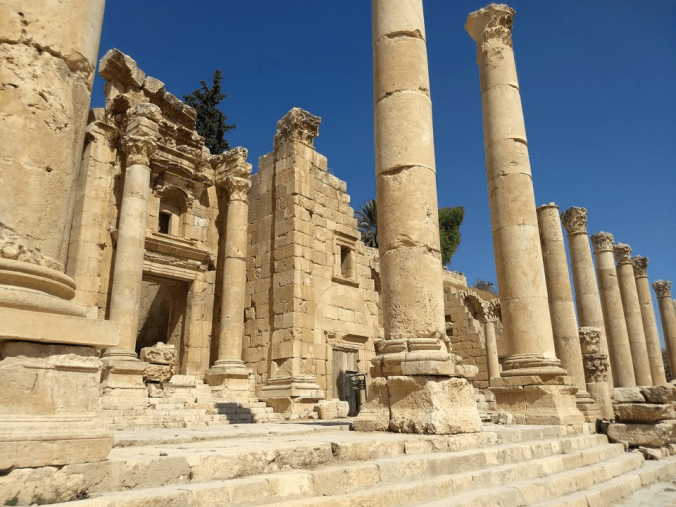
Hadrian’s arch: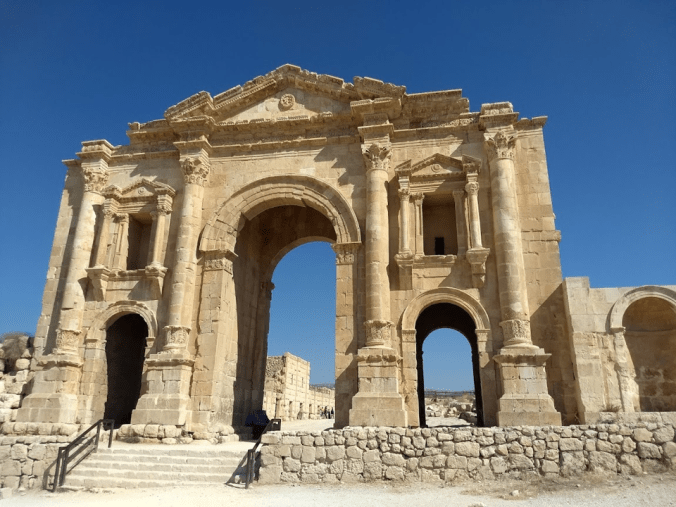

Oval plaza:

Sanctuary of Zeus: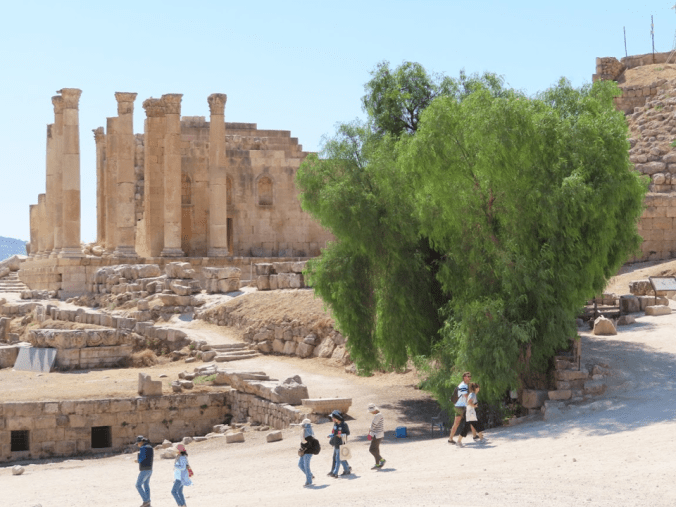
South amphitheater: 


Temple of Artemis: 
Artifacts: 
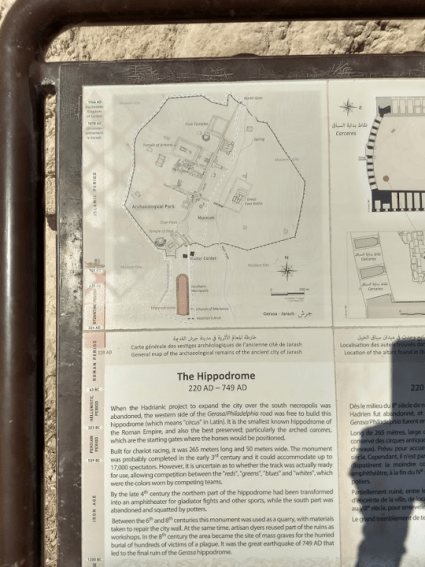
The hippodrome:

Good-bye, Jerash:

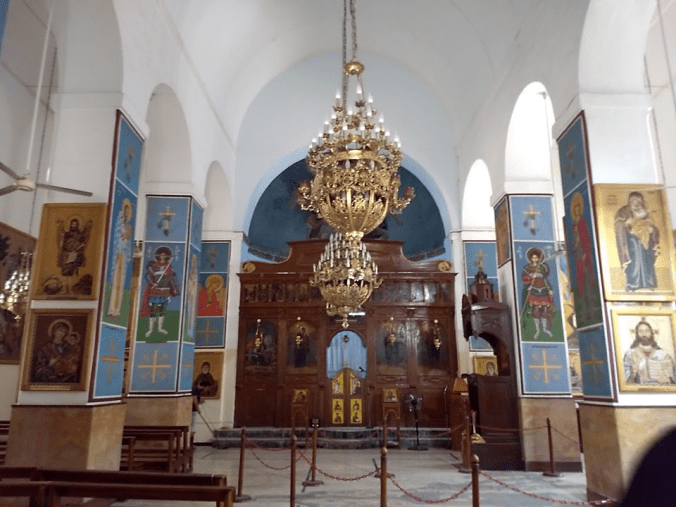
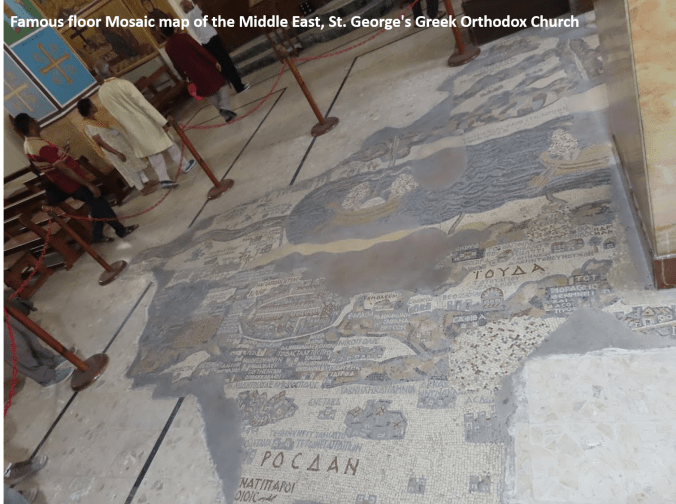
On the way back to our hotel, we stopped by St. Georges Church in Madaba.


3 of 4 posts on my 7-day stay in Jordan
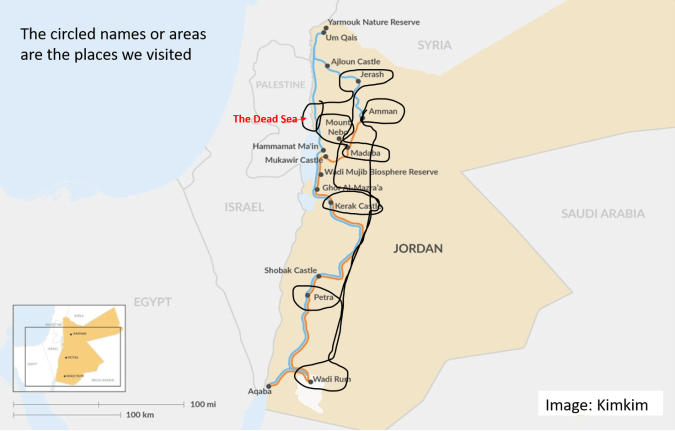
Circled in black below are the places we visited while in Jordan. We covered a lot of ground for seven days. After the four days spent between Wadi Rum and Petra, we headed toward the town of Madaba, one of Jordan’s major centers of Christianity with a large Greek Orthodox community. At one time, Madaba was famous for being part of a bishop’s jurisdiction during Emperor Justinian’s reign in the Byzantine times.
As we traveled toward our next tourist attraction – Karak Castle – our tour guide spoke about the Muslims and their beliefs. Originally, I was going to list the interesting points he made to dispel some wrongly held notions about Muslims, but I wanted to learn more. Of the various sites, I settled on this link: https://ing.org/top-100-frequently-asked-questions-about-muslims-and-their-faith/
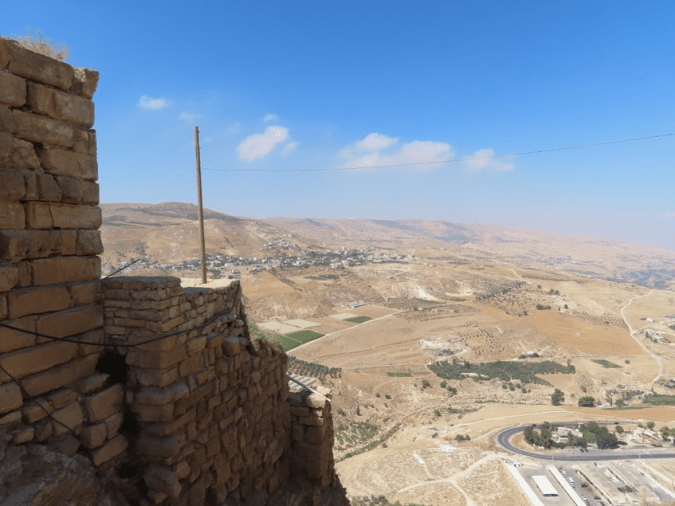
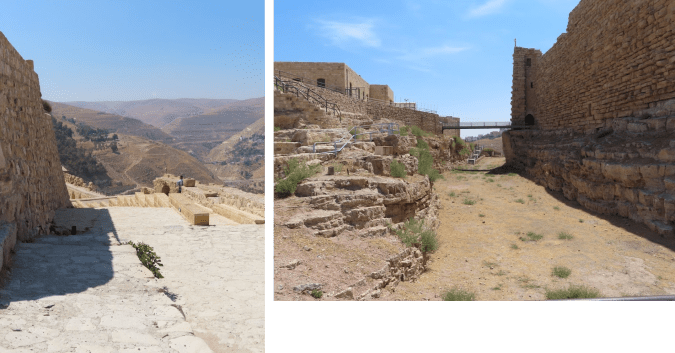
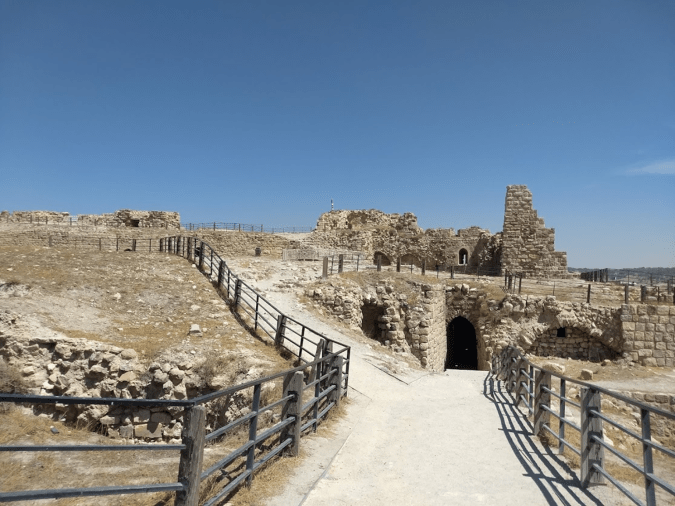
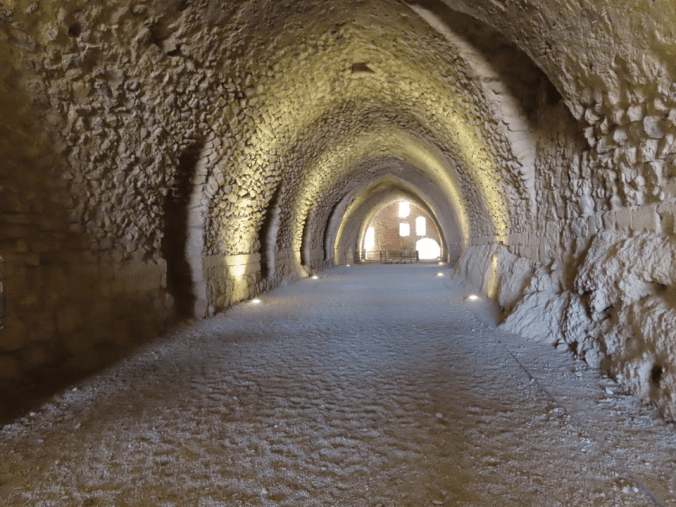
In time, I will seek more to further educate myself about the subject. But a key point I want to note now is one of this religion’s fundamental values – namely, “affirming and upholding the sanctity of all human life, taking of which is among the gravest of all sins.” This value is universal to nearly all religions, but some of us non-Muslims may not readily attribute such value to Islam because of “terrorist acts committed in the name of Allah.” Our tourist guide, a Muslim himself, wanted to remind us that there is nothing religious or sacred about purposely taking another life, and that such actions taken by others in the name of religion have been considered fundamentally wrong by most religions throughout history. Unfortunately, for political and power struggle purposes, man tends to justify his violence to gain a following by claiming to act on God’s behalf. Case in point is the Crusaders, which had a stronghold on a city called Karak. Within this city is Karak Castle, where we began our fifth day in Jordan after Petra.
Karak Castle and Karak Photos






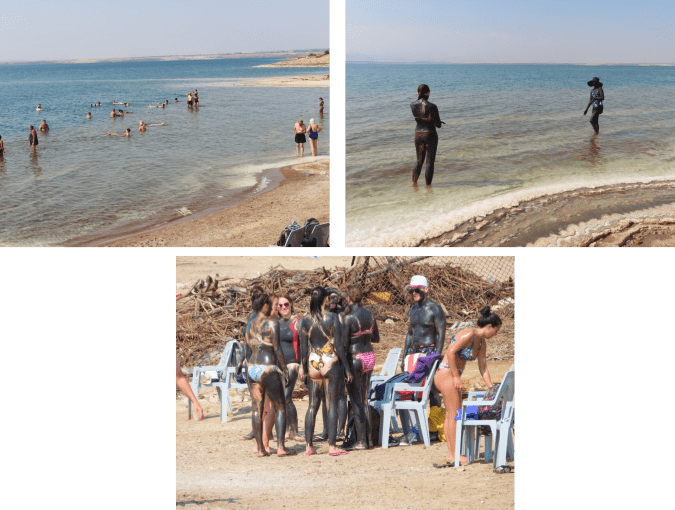
After visiting Karak Castle, we went to Amman Beach Resort – Dead Sea, where we floated for a while in the mineral salts of the Dead Sea and later, some of us cooled off in the “sweet water” swimming pool. Meanwhile, several of us covered ourselves with the natural mineral rich mud, which quickly dried in the hot sun and was then washed off in the Dead Sea. A quick primer on the Dead Sea: https://en.wikipedia.org/wiki/Dead_Sea
Dead Sea Photos

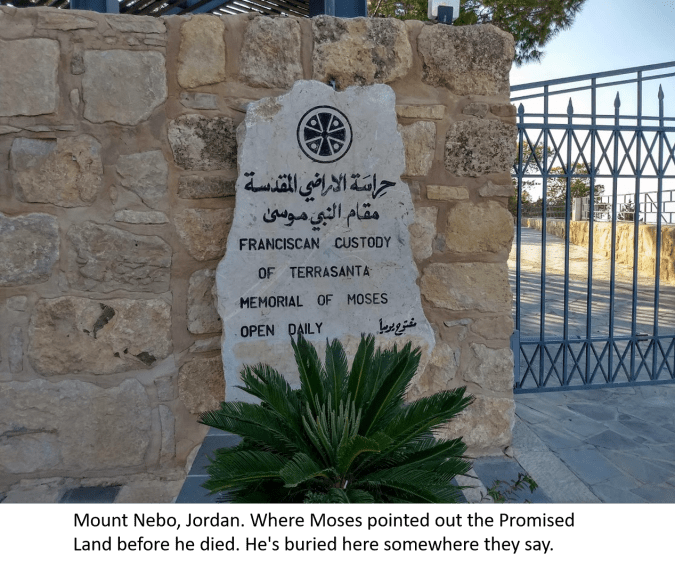
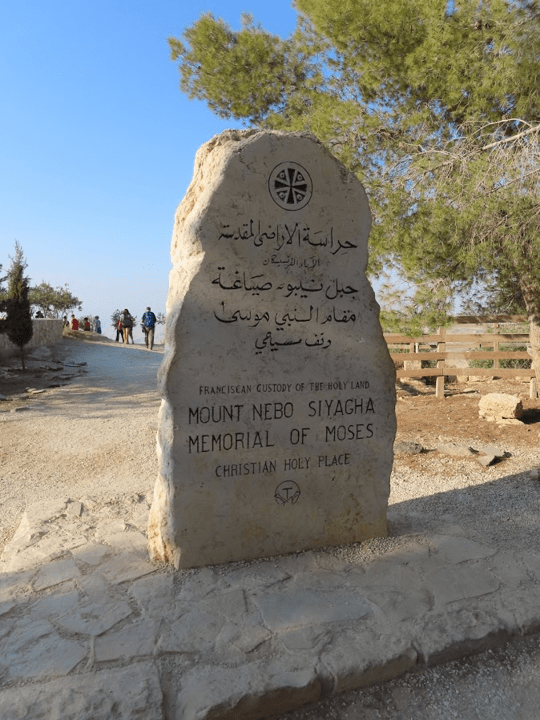
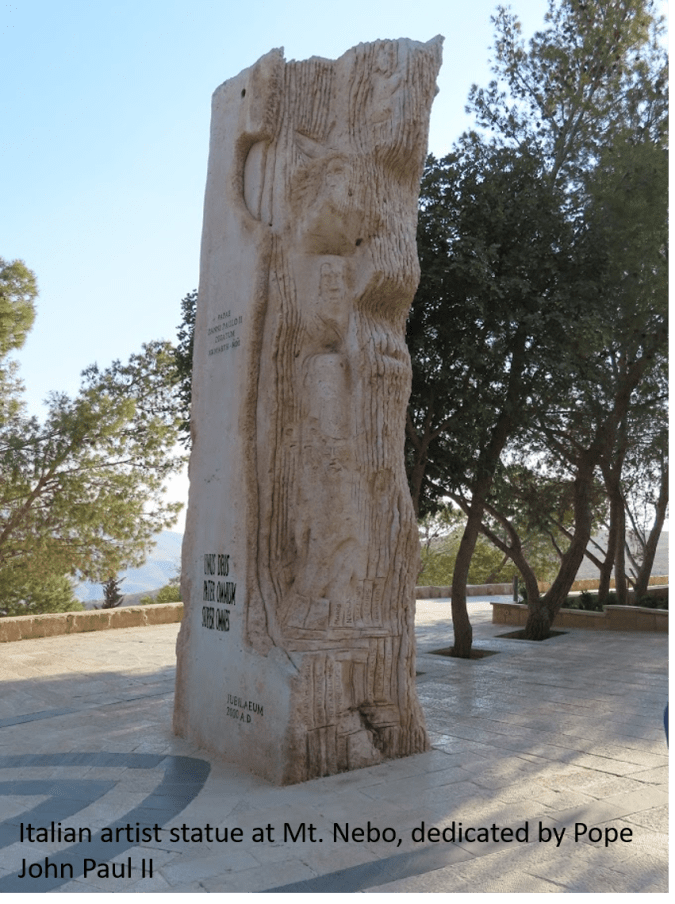
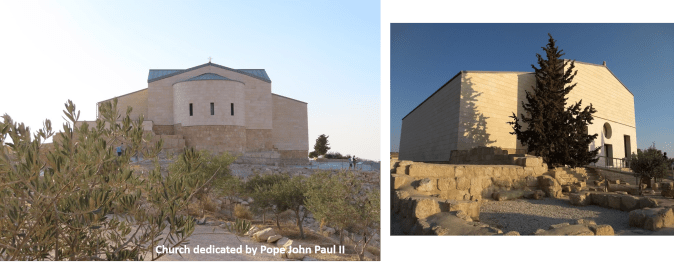
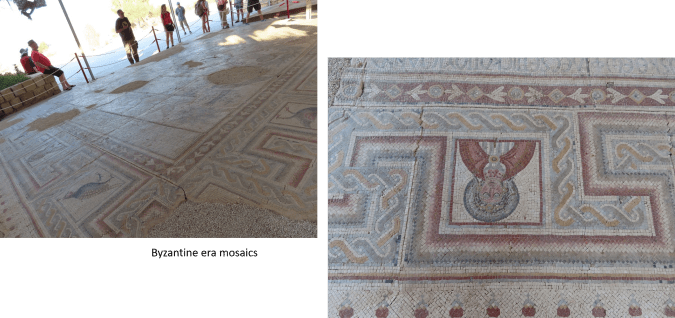
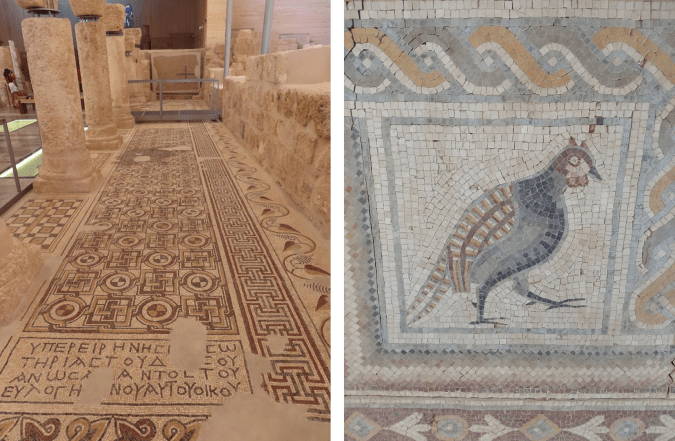
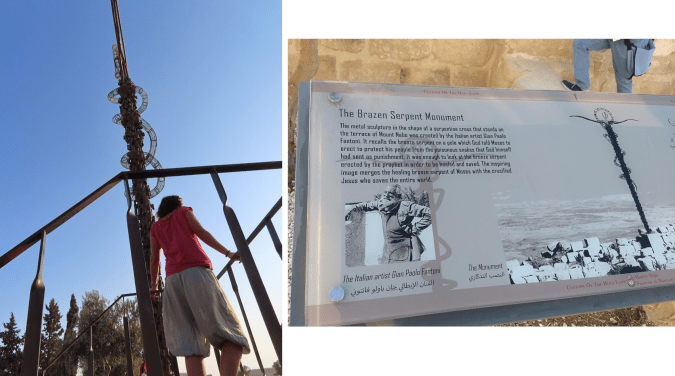
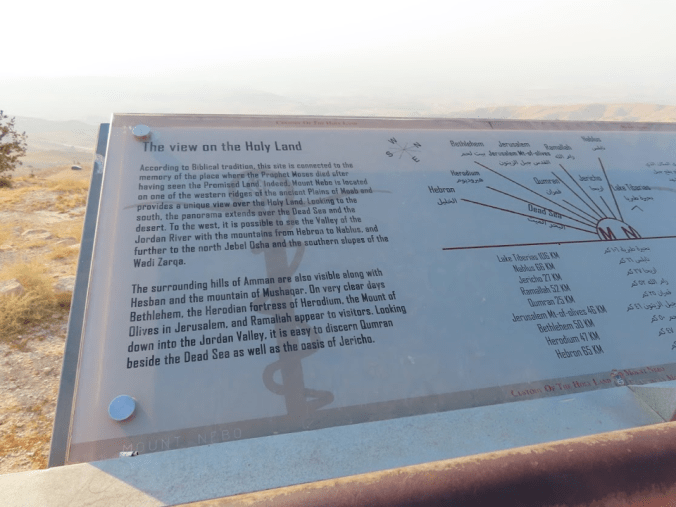
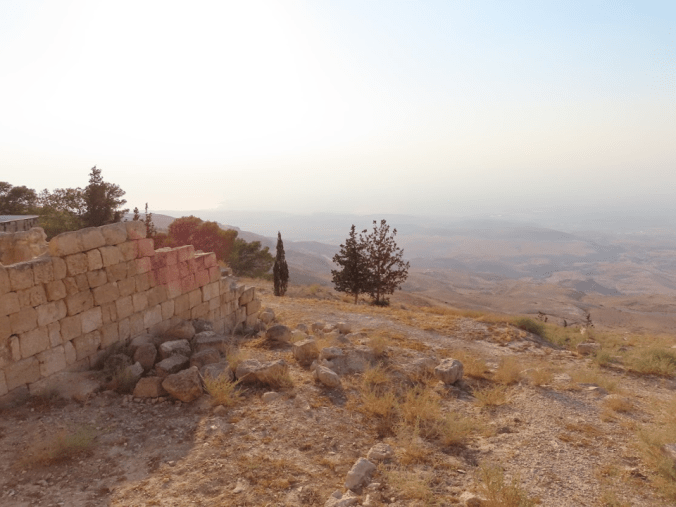
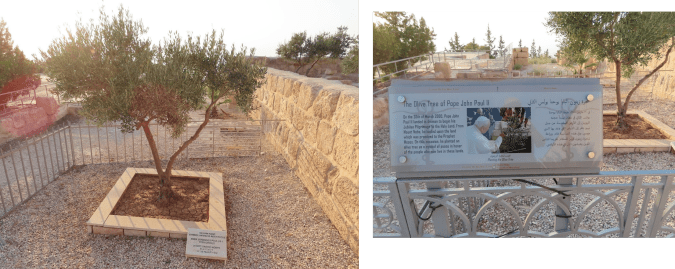
Our last stop for the day was Mt. Nebo, a high hilltop vista and pilgrimage site where the prophet Moses is supposedly buried. In fact, you can see Israel on the distant horizon.
Mt. Nebo Photos





2 of 4 posts on my 7-day stay in Jordan
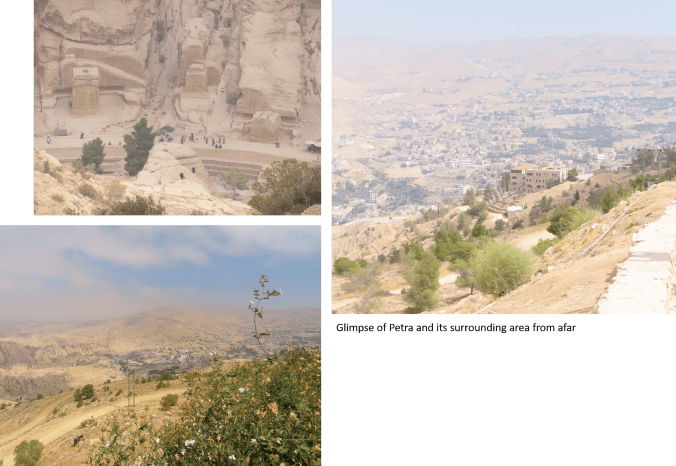
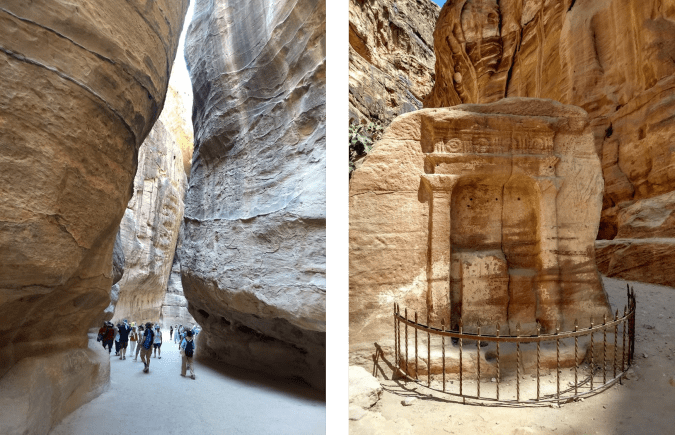
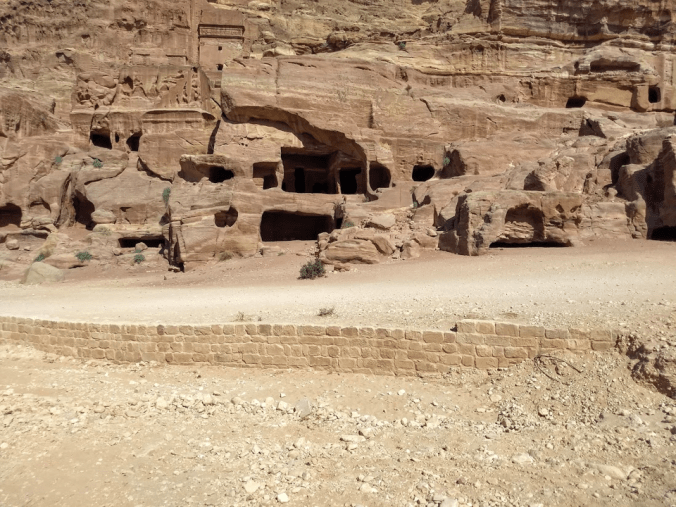
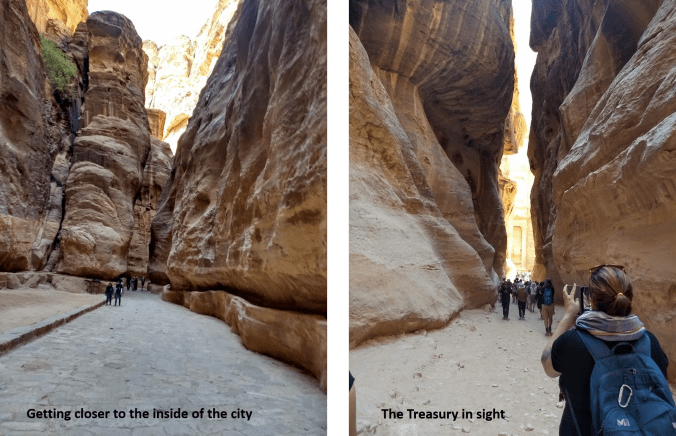
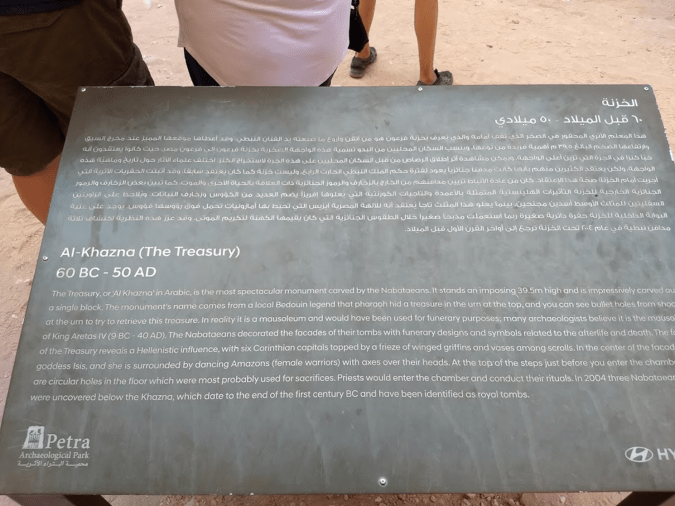
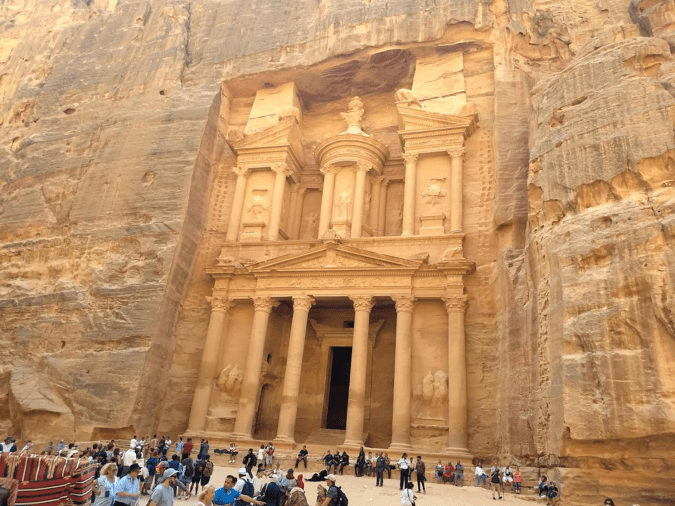
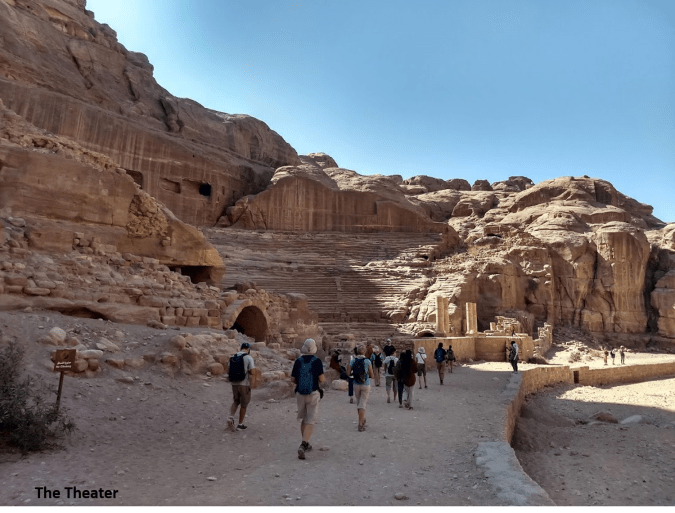
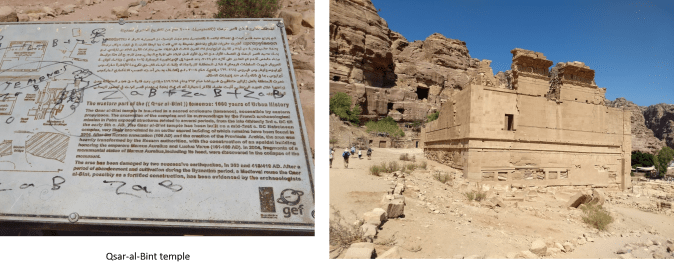
The next two days have us exploring Petra, which UNESCO designated as a World Heritage site in 1985 and describing it as “one of the most precious cultural properties of man’s cultural heritage.”
Like Wadi Rum, Petra has been used as a setting in many well-known movies. Although there were already a handful of movies filmed in Petra before Indiana Jones and the Last Crusade, Petra gained more attention after the Indiana Jones movie.
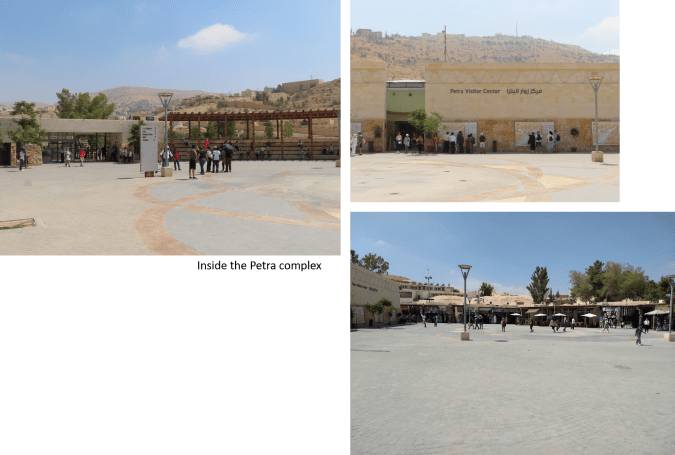
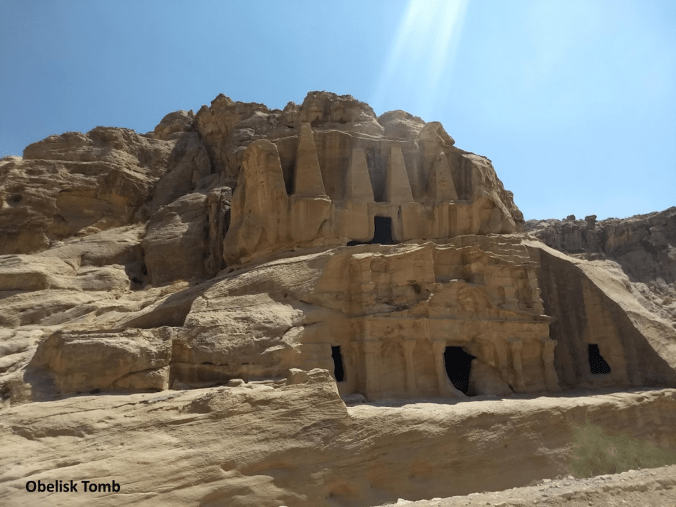
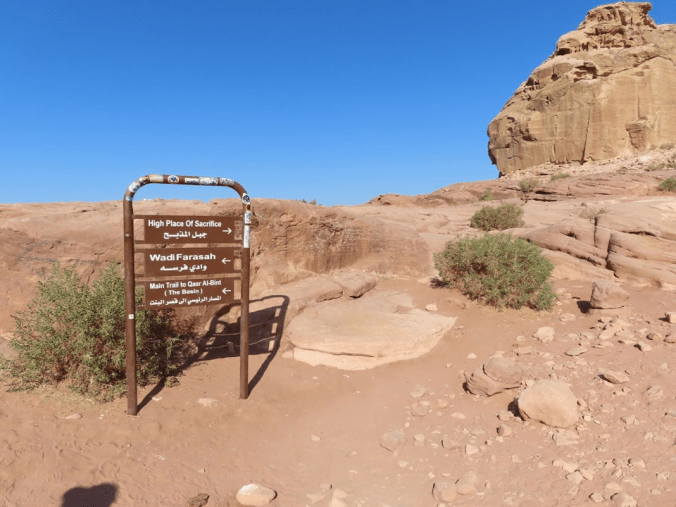
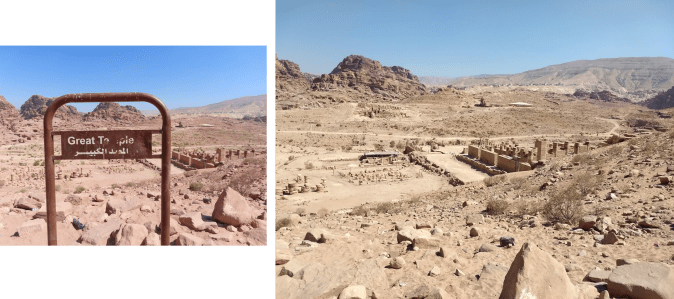
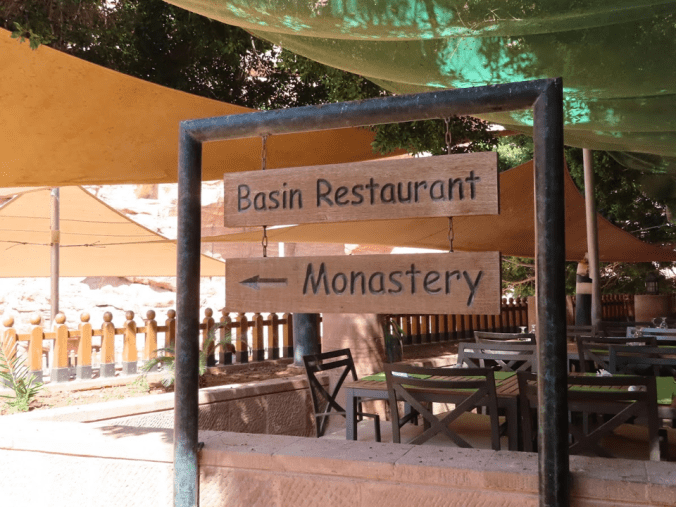
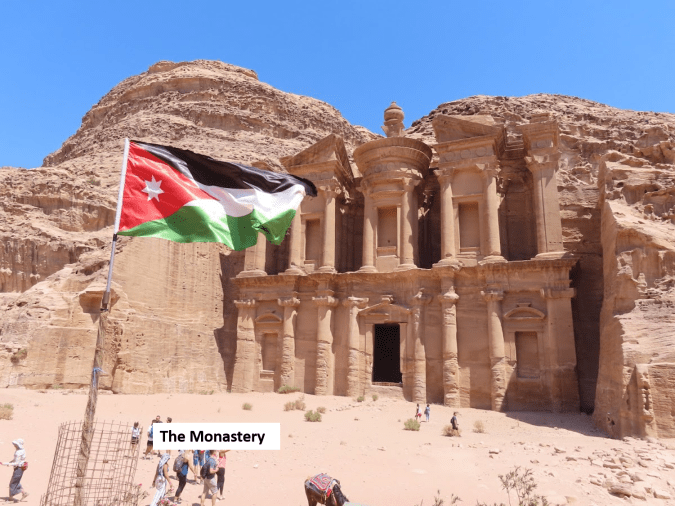
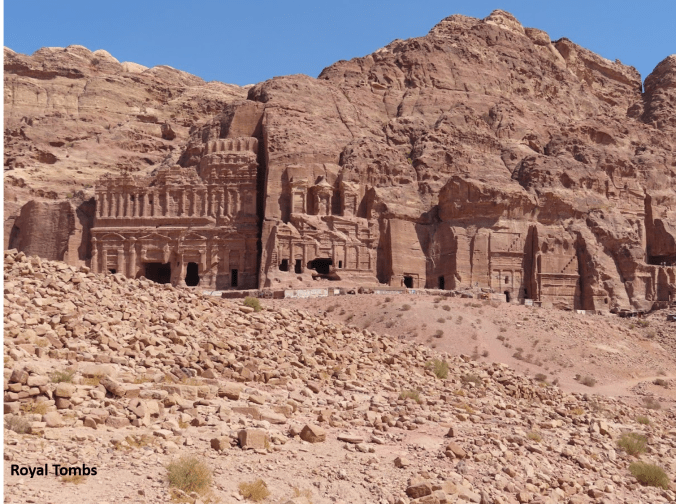
Since our first day in Petra was just half a day, which was good for getting to know the general layout, the next day was for real exploration. Our goal was to climb nearly every major monument or temple despite the 100-degree F which seemed to grow hotter with every passing hour. And climb we did. For example, there were about 800 steps up to the ruins known as the High Place of Sacrifice, and even more needed to get to the Monastery, a beautiful tomb carved into the side of the stone mountain top. However, we ended up climbing even more steps to see the Royal Tombs close-up, each one situated on its own perch with even more steps needed to get there.
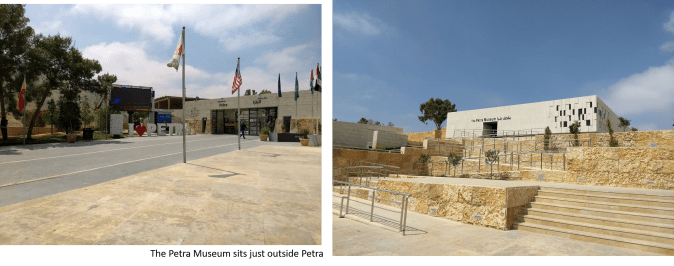
After exploring Petra for close to 10 hours, we raced to the new Petra Museum before it closed for the day. We had a little over half an hour to wind down in the air conditioning to learn more about the ancient culture, which thrived about 2,000 years ago. The day ended with my legs feeling like rubber bands. My feet seemed like they had a life of their own, as they just passed out on me not too long after I reached the hotel, which was walking distance from Petra.











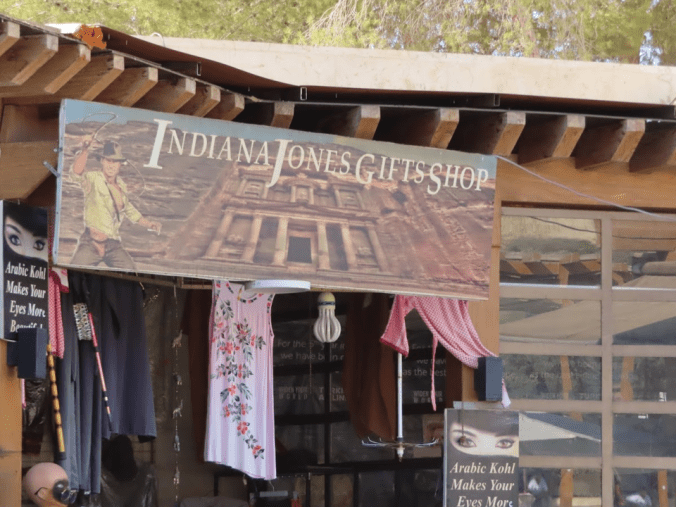
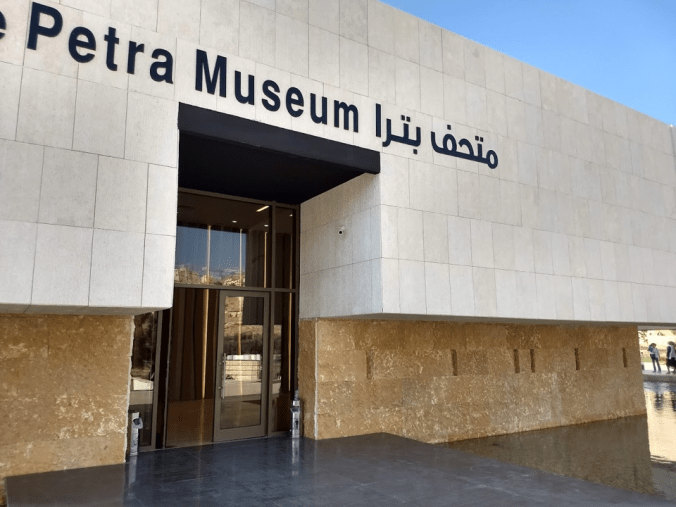
To see 1st post:
Wadi Rum
1 of 4 posts on my 7-day stay in Jordan
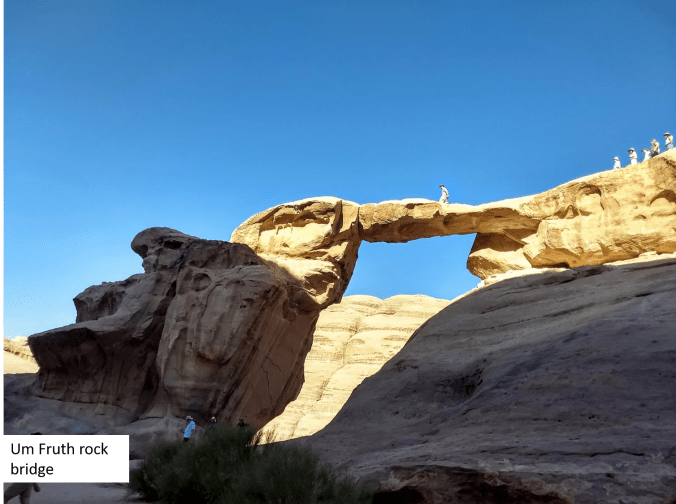
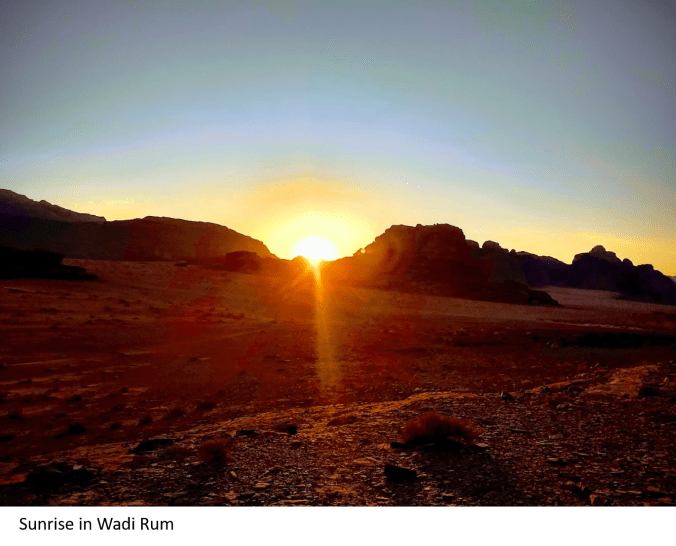
Right after Egypt, we flew to Jordan, where we took in another week’s worth of breathtaking sights. Our stay in the beautiful city of Amman was brief, as we soon set out on a ~5-hour drive to Wadi Rum, the desert setting of Lawrence of Arabia’s autobiographical book and consequently, the film that was based on his life. Since then, other movies have been filmed in Wadi Rum (e.g., a couple of Star Wars movies, Dune, Prometheus).
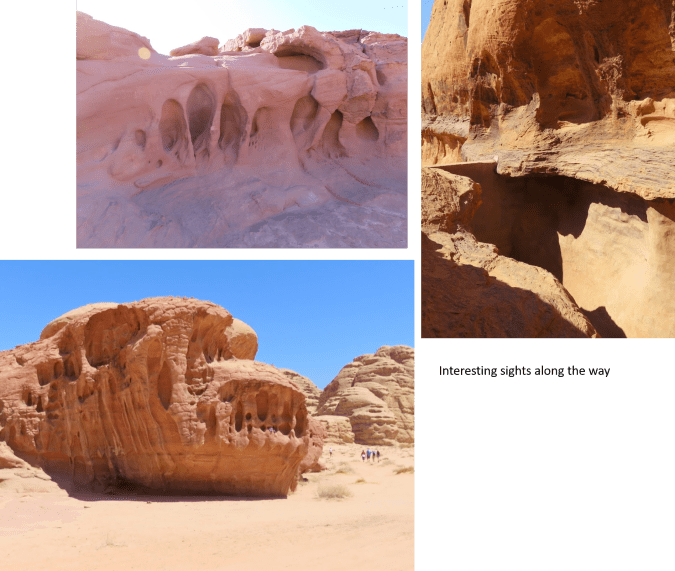
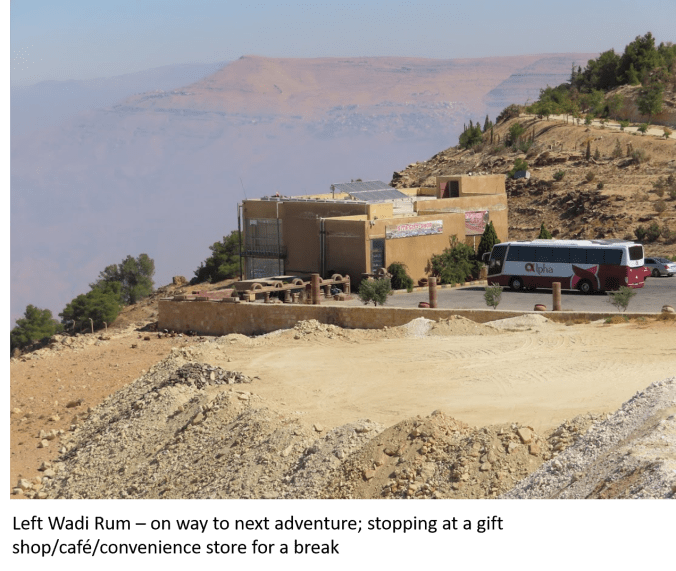
As soon as we reached the park, we transferred to several 4-wheel drive vehicles that we rode through the desert to get to our camp. We spent two days in Wadi Rum and slept in Bedouin tents. Among other activities, we went on a nine-mile trek on the second day.

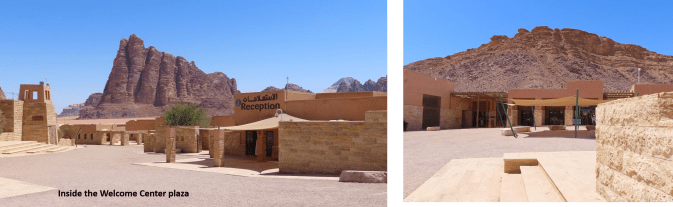
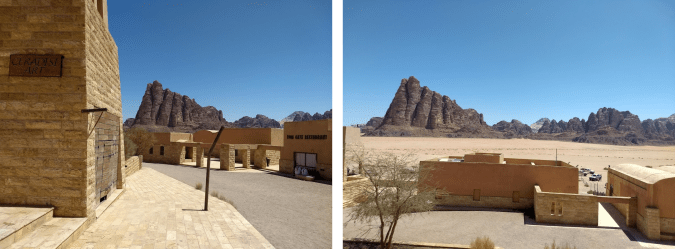






Next:
Petra
7th and last of the series on my 7-day stay in Egypt
More sights in Luxor,
Lunch with local family,
And back to Cairo.
As always, the day began early to see more wonders of Luxor, which used to be the ancient city of Thebes. First stop is the Colossi of Memnon, two 56-feet tall statues on Luxor’s west bank. They represent the Pharaoh Amenhotep III.

Next stop is the royal burial site, Valley of the Kings, where over 60 lavishly decorated tombs of pharaohs are located, dating from 16th to 11th century B.C. We went inside three of the four tombs that were opened to the public that day. To help preserve the artwork, the tombs are rotated every year for visitation and renovation. So, in any given year, usually only four tombs are open for exploring inside.

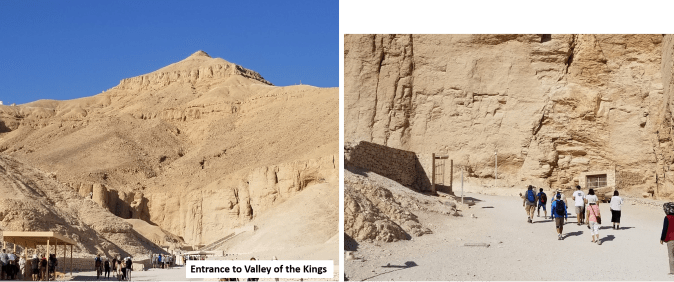
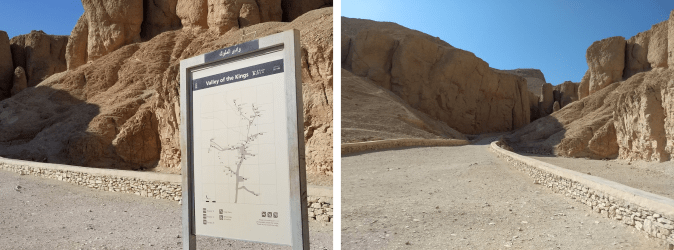


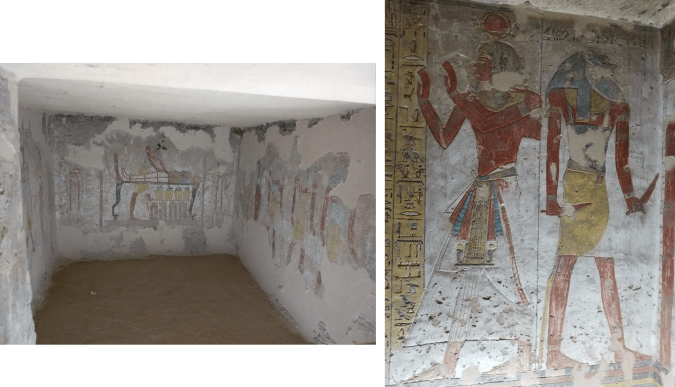
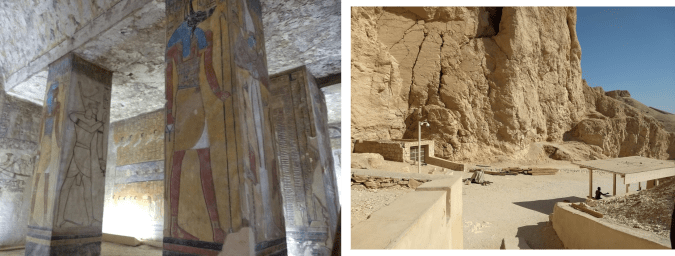
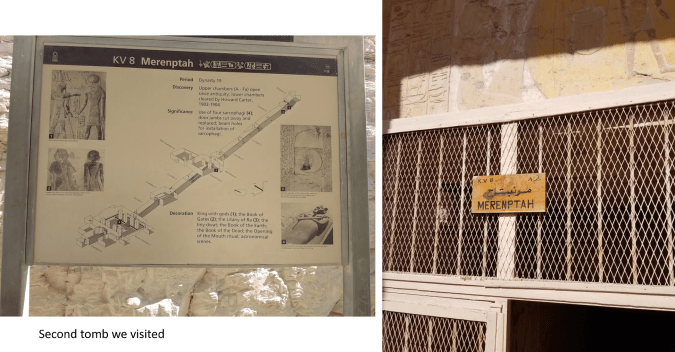
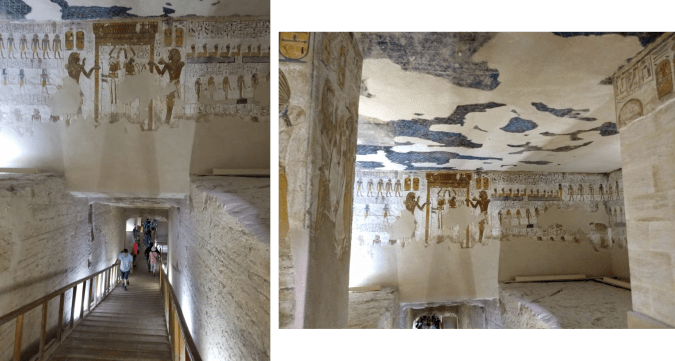


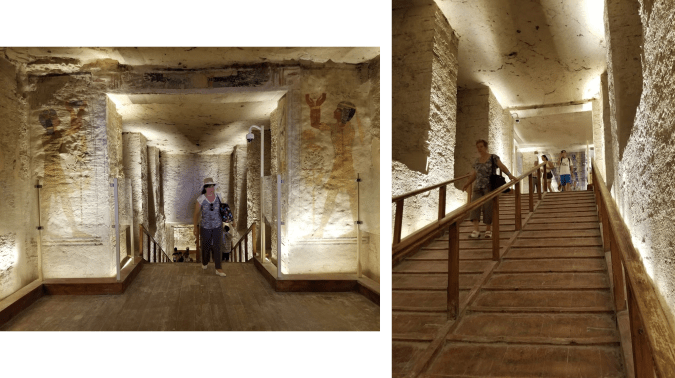

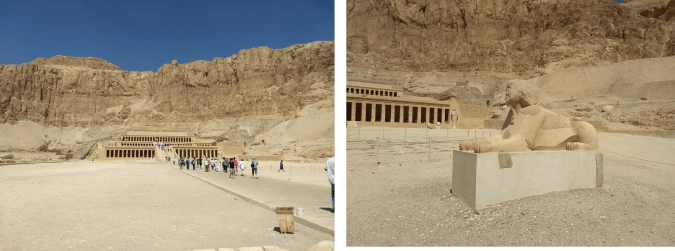
Another noteworthy royal site we visited was Hatshepsut Mortuary Temple, which was built for the longest reigning female pharaoh in Egypt, Hatshepsut. She ruled for 20 years in the 15th century B.C. and was considered one of Egypt’s most successful pharaohs.


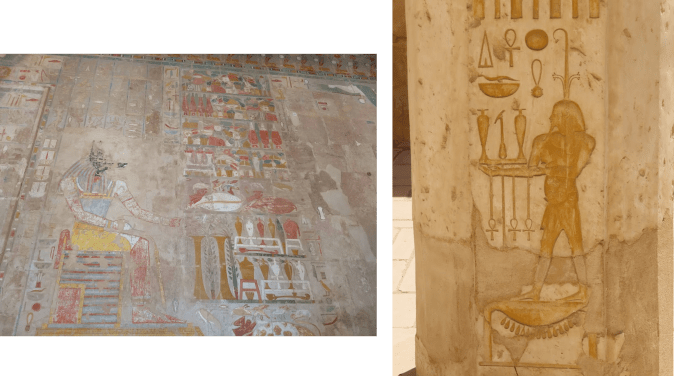
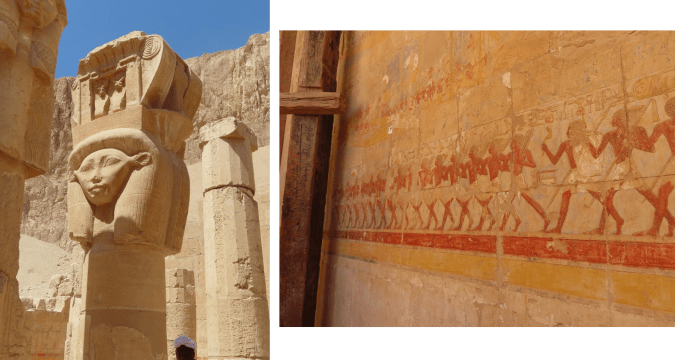
After our historical excursions underground, we went to a local family’s home for lunch, which reminded me of why I love Middle Eastern food.
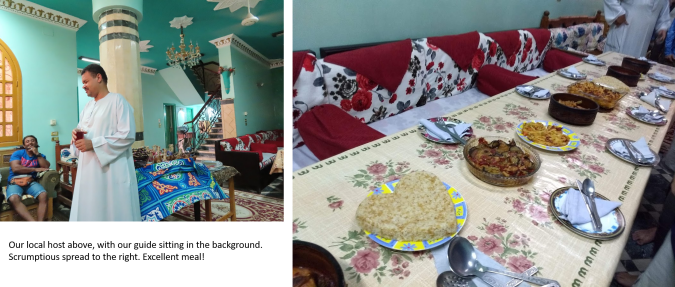
Our hearty lunch was then followed by some free time, which was spent learning more about Egypt’s rich history in the Luxor Museum and walking around the city.


After sunset, we all went to the train station for our return trip north to Cairo. That overnight ride on the sleeper train took approximately 10 hours. (Once we reached Cairo by early morning, we flew to JORDAN – the next travel series.)
To see the beginning:
1st day: Old Cairo
2nd day: Giza/Cairo
3rd day: Aswan
4th day: Abu Simbel
5th day: Nile River
6th day: Luxor
6th of a series on my 7-day stay in Egypt
City full of shrines,
Magnificent artifacts,
Temple of Karnak.
The Temple of Karnak
The Temple of Karnak is a large, well-preserved complex of monuments that honor various pharaohs. As a UNESCO World Heritage site, the Karnak Temple has an impressive collection of pylons, massive stone obelisks, and chapels. Sad fact: More Egyptian obelisks today are found outside of Egypt, like in Paris, than in Egypt itself.
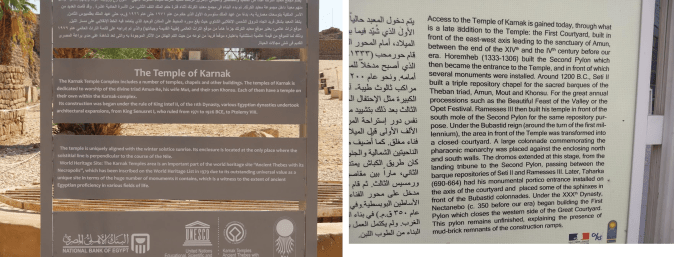


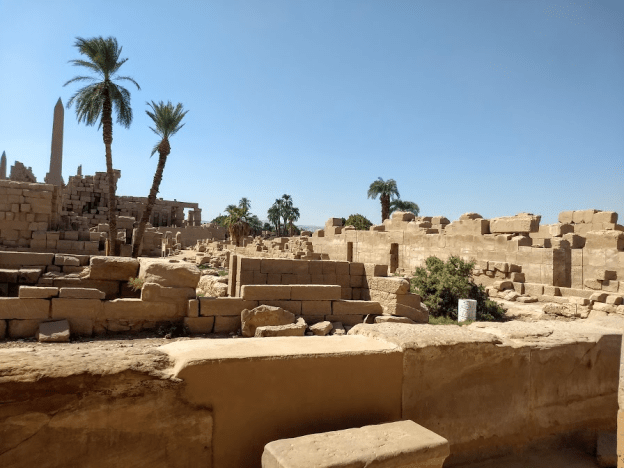

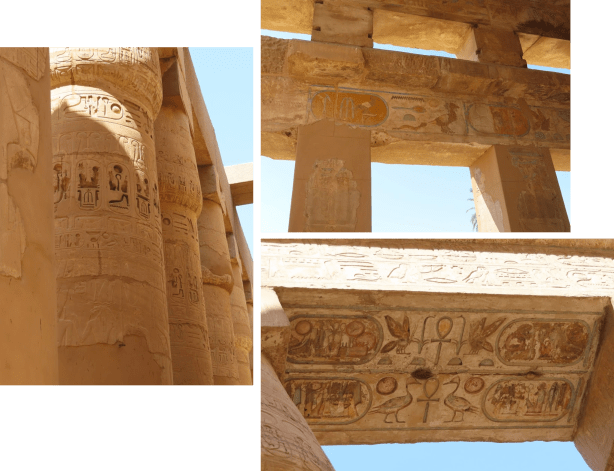

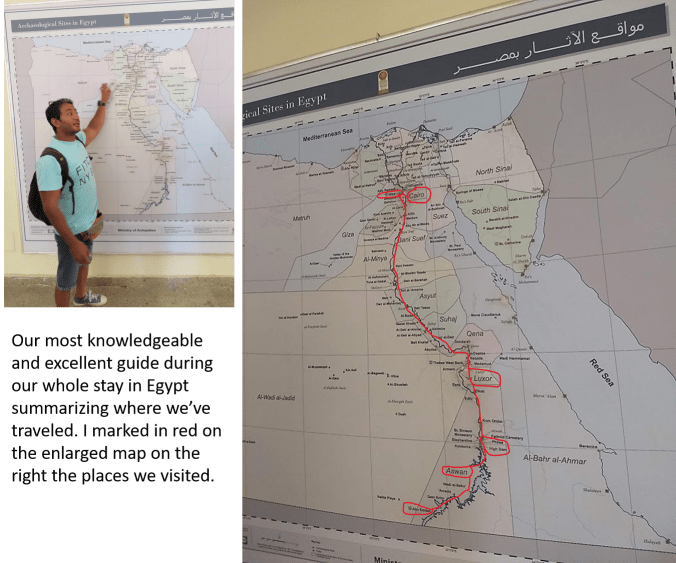
Animal Care in Egypt
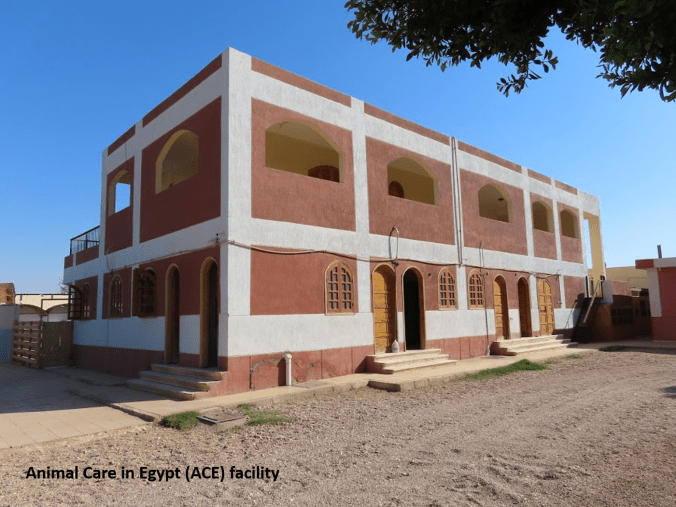
The tour company we used has a charitable stake in this organization, so we stopped by the Animal Care in Egypt facility to see how the animals are given care and treatment. Many locals depend on ACE to help heal their donkeys, horses, and other animals.
From ACE’s website (https://www.ace-egypt.org.uk/): “Animal Care in Egypt (ACE) is a charity dedicated to helping stop the suffering of thousands of animals in the poorest communities of Luxor by providing free veterinary care and education.”

To see the beginning:
1st day: Old Cairo
2nd day: Giza/Cairo
3rd day: Aswan
4th day: Abu Simbel
5th day: Nile River
5th of a series on my 7-day stay in Egypt
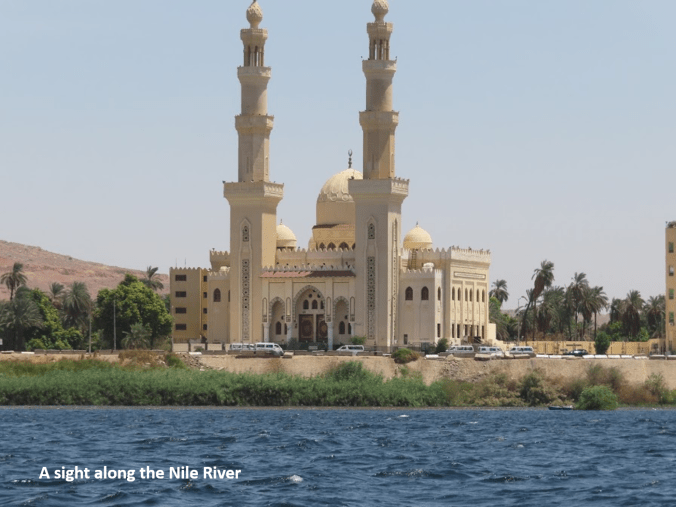
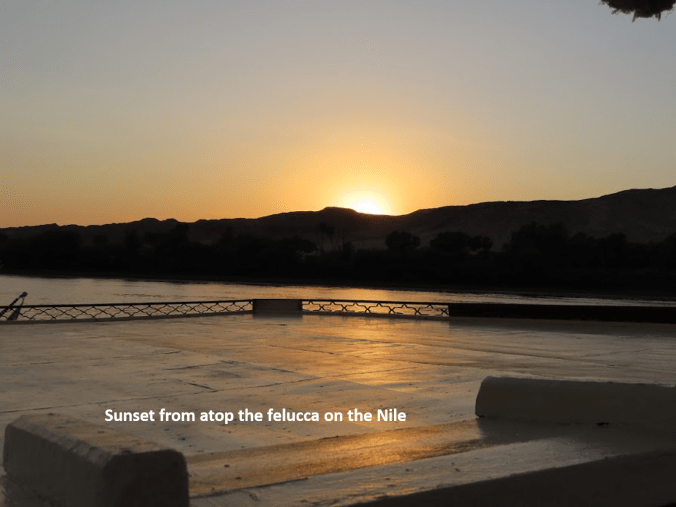
An overnight trip,
Sailing in a felucca,
Eat, sleep, do nothing.
A Nubian crew,
Steering, cooking, and cleaning,
Took us down the Nile.




Next day:
Luxor
To see the beginning:
1st day: Old Cairo
2nd day: Giza/Cairo
3rd day: Aswan
4th day: Abu Simbel
4th of a series on my 7-day stay in Egypt
A four-plus-hour drive,
Close to Sudanese border,
Worth all-day event.
A temple complex,
King Ramses II’s legacy,
To celebrate him.
About Abu Simbel
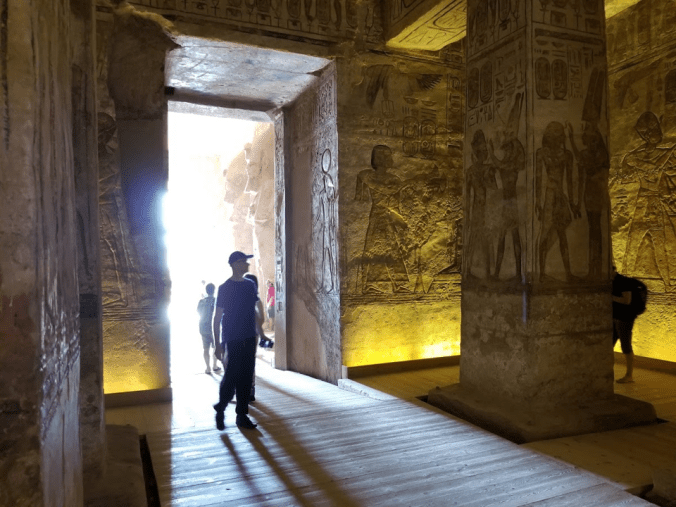
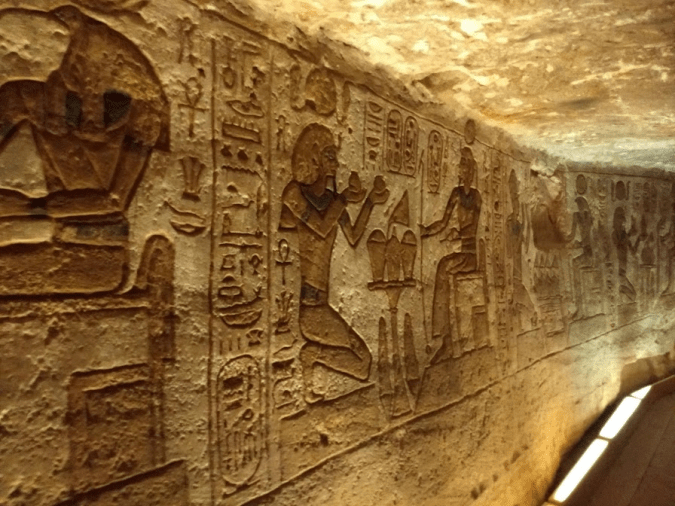
Abu Simbel is a small village where Pharaoh Ramses II had built a temple complex to commemorate his victory at the Battle of Kadesh. Within the complex are two temples – the Grand Temple and the Small Temple. The Grand Temple showcases carvings and hieroglyphics that indicate homage to several ancient Egyptian gods, along with a record of Ramses II’s noteworthy life events. The Small Temple is dedicated to Ramses II’s favorite wife, Queen Nefertari.
The temples were relocated about 200 meters further inland and 65 meters higher up in 1964 to save them from going under the Nile River due to High Dam. The Abu Simbel temples are on UNESCO’s World Heritage List (as of 1979).


Inside the Grand Temple



Next day:
Nile River
To see the beginning:
1st day: Old Cairo
2nd day: Giza/Cairo
3rd day: Aswan
 Karina Pinella
You must be logged in to post a comment.